

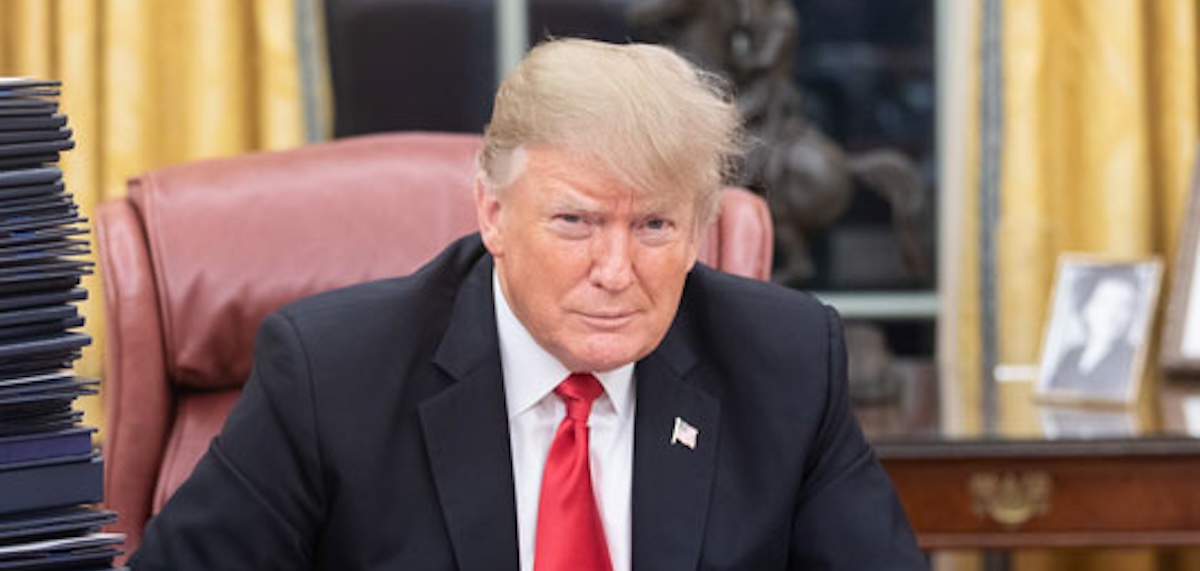
As debates around climate change, conservation, and environmental protections intensify across America, critics say a growing list of policies tied to President Donald Trump could have lasting consequences on public health, wildlife preservation, and the nation’s natural resources.
Environmental groups, scientists, and conservation advocates have raised alarm over several regulatory reversals and policy decisions that they argue weaken protections designed to safeguard clean air, drinking water, endangered species, and federally protected habitats.
One of the largest concerns centers around major proposed cuts and restructuring efforts targeting the Environmental Protection Agency. The Trump administration says its proposed cuts to the Environmental Protection Agency could save Americans more than $1.3 trillion, but critics warn the plan to slash the agency’s budget by 65% would dramatically reduce environmental oversight. The proposal could eliminate up to 10,000 positions, including scientists, engineers, and enforcement specialists responsible for monitoring pollution, enforcing environmental laws, and protecting communities from toxic contamination.
Critics argue the Trump administration’s proposed environmental rollbacks could have serious public health and climate consequences. Opponents say weakening tailpipe and smokestack pollution standards could contribute to millions of additional asthma attacks and thousands of preventable premature deaths over time. Others warn that scaling back enforcement of the Safe Drinking Water Act may leave communities more vulnerable to contaminated drinking water with less accountability for polluters. Environmental advocates also argue that reducing the power of the Environmental Protection Agency could increase climate pollution and worsen the impact of wildfires, storms, floods, and droughts across the country.
RELATED: More Americans Than Ever Are Leaving The U.S. To Start New Lives Abroad, New Report Reveals
Another controversial move involves efforts to roll back limits on PFAS chemicals — commonly referred to as “forever chemicals” because they do not easily break down in the environment or human body. The Trump administration is seeking to roll back limits on PFAS “forever chemicals” found in the drinking water of millions of Americans. The protections were first introduced under the Biden administration, but industry groups argued the standards were too expensive and legally flawed.
PFAS exposure has been linked in studies to cancer, fertility complications, immune system suppression, and developmental issues. Environmental advocates warn that easing drinking water restrictions could expose millions of Americans to higher levels of contamination. While the Environmental Protection Agency framed the move as part of its “Make America Healthy Again” agenda, critics argued the rollback could expose Americans to more harmful chemicals. Environmental advocates say weakening or delaying several PFAS limits ignores years of scientific research supporting stricter protections for public health.
The administration has also faced criticism after waiving 29 environmental and conservation laws to accelerate road and border barrier construction through protected areas in Texas. Conservationists argue the waivers threaten fragile ecosystems, disrupt wildlife migration patterns, and damage federally protected lands home to endangered species.
Animal rights and environmental groups have also condemned the approval of M-44 devices — often referred to by critics as “cyanide bombs” — on public lands. The devices are designed to kill predators such as coyotes by ejecting poisonous sodium cyanide when triggered. Opponents argue the devices can accidentally harm pets, non-target wildlife, and even humans while raising ethical concerns over their use on public land.
M-44 devices are intended to kill predators like coyotes and foxes that threaten livestock, but critics say the cyanide-based traps have also killed dozens of non-target animals, including pet dogs, bears, wolves, eagles, hawks, owls, and other protected wildlife. Federal records have also linked the devices to accidental harm involving humans.
Brooks Fahy, executive director of Predator Defense, said he has worked with numerous families affected by M-44 poisonings and warned the devices are too dangerous to ever be used safely, arguing it’s only a matter of time before a child is killed.
“I have worked since 1994 with countless people who have lost their dogs to M-44s or been poisoned themselves,” he said. “My experience has shown me that M-44s can never be used safely. They are indiscriminate killers, and no young child, dog or wild animal can read a warning sign. I firmly believe it is only a matter of time until an M-44 kills a child.”
Additional backlash followed decisions denying expanded federal protections for several vulnerable species, including the iconic Monarch butterfly. Scientists have warned for years that monarch butterfly populations have sharply declined due to habitat destruction, pesticides, and climate change. Marine conservation groups have also raised concerns over protections for sea creatures impacted by pollution, industrial fishing, offshore drilling, and warming ocean temperatures.
Environmental advocates argue these policy shifts reflect a broader prioritization of industrial expansion, fossil fuel production, and rapid infrastructure development over long-term sustainability and conservation efforts. Supporters of the policies, however, argue that the measures reduce government overreach, support economic growth, strengthen border security, and eliminate regulations they believe burden businesses and energy production.
“The Endangerment Finding has been the source of 16 years of consumer choice restrictions and trillions of dollars in hidden costs for Americans,” said Environmental Protection Agency (EPA) Administrator Lee Zeldin. “Referred to by some as the ‘Holy Grail’ of the ‘climate change religion,’ the Endangerment Finding is now eliminated. The Trump EPA is strictly following the letter of the law, returning commonsense to policy, delivering consumer choice to Americans and advancing the American Dream. As EPA Administrator, I am proud to deliver the single largest deregulatory action in U.S. history on behalf of American taxpayers and consumers. As an added bonus, the off-cycle credit for the almost universally despised start-stop feature on vehicles has been removed.”
As climate concerns continue growing globally, the debate surrounding environmental protections remains one of the most politically divisive issues shaping America’s future.
RELATED: All These States Have Approved Massive Data Centers Despite Pushback From Locals — Here’s Why
