

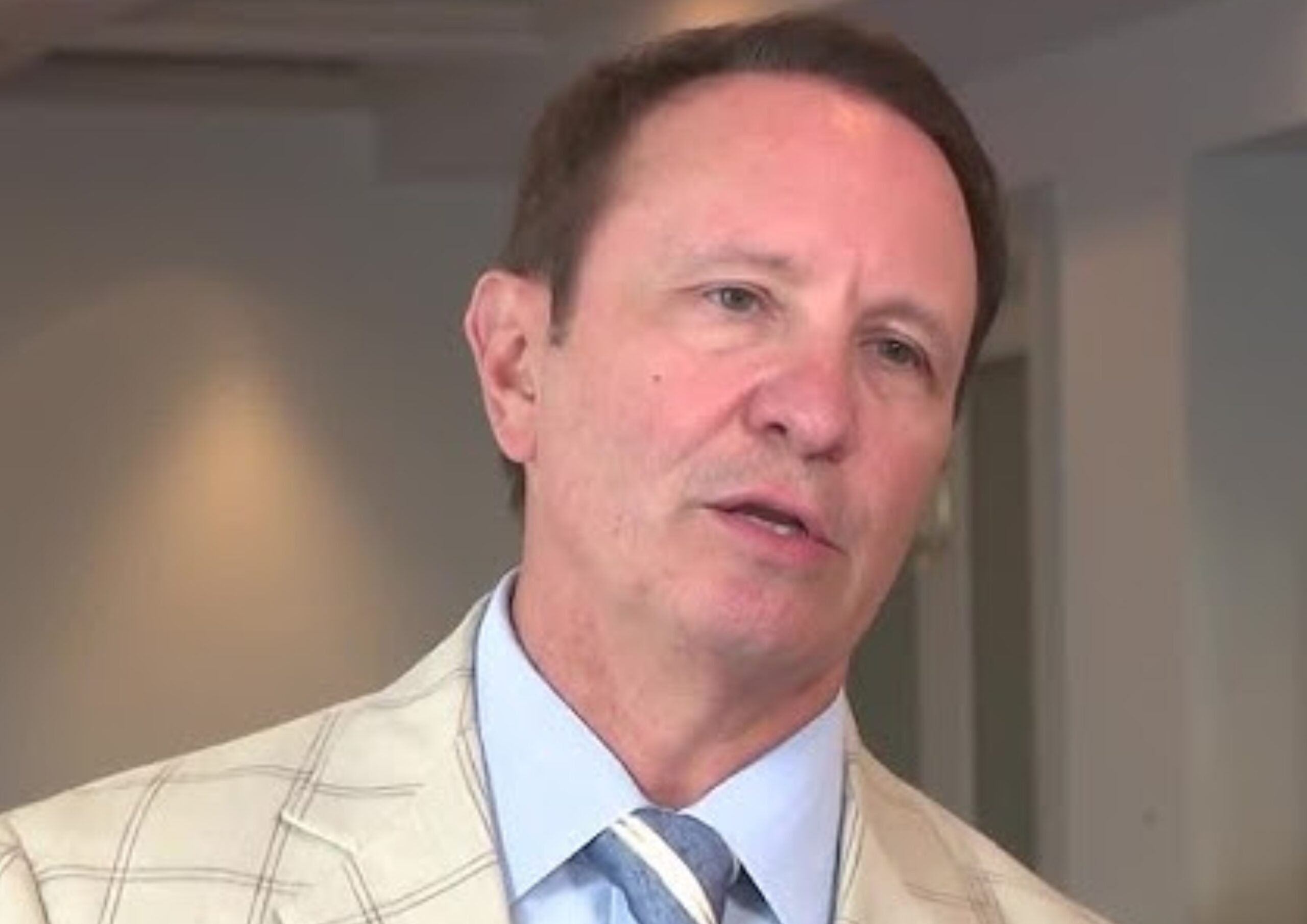
Just days after pausing Louisiana’s U.S. House primaries, Jeff Landry is already catching heat from residents across the state.
On Monday, officials confirmed a recall petition has been filed—kicking off a 180-day countdown for organizers to gather signatures statewide. The push, led by Baton Rouge residents Marian Gbaiwon Hills and Katilyn P. Stepter, stretches across all 64 parishes, with supporters pointing to what they call a pattern of moves that don’t reflect fair representation.
Here’s the catch: this won’t be easy. Louisiana law requires signatures from 20% of registered voters—that’s over 500,000 people who need to sign on by October 31, 2026.
Every signature has to be handwritten and verified parish by parish, and once the process starts, it becomes public record within 90 days. If organizers hit that massive threshold in time, officials will review the signatures—and only then could a recall election become a reality.
RELATED: Spirit May Be Grounded, But JetBlue and Frontier Airlines Are Still Going Strong
The pressure is building, but turning that momentum into actual votes is a whole different challenge. The pressure on Landry is only getting louder.
The latest backlash comes after he signed Senate Bill 256 into law—now Act 15—which blocked Calvin Duncan from stepping into the Criminal Court Clerk role in Orleans Parish.
But that move hit a major roadblock. On May 3, a federal judge in Baton Rouge issued a temporary restraining order, clearing the way for Duncan to take office. Judge John deGravelles ruled that the legislation—which attempted to eliminate the criminal clerk position and merge it into a new civil clerk role—was unconstitutional.
Duncan, who won the election last fall after defeating incumbent Darren Lombard, brings a powerful story with him. He spent more than 25 years incarcerated at Angola for a murder he was later exonerated of—making his victory and fight to take office even more significant.
Reacting to the ruling, Duncan took to social media, saying he was “elated” and that the decision affirmed the people’s right to vote. Meanwhile, Landry pushed back, dismissing reports surrounding the situation as “false reporting.”
