

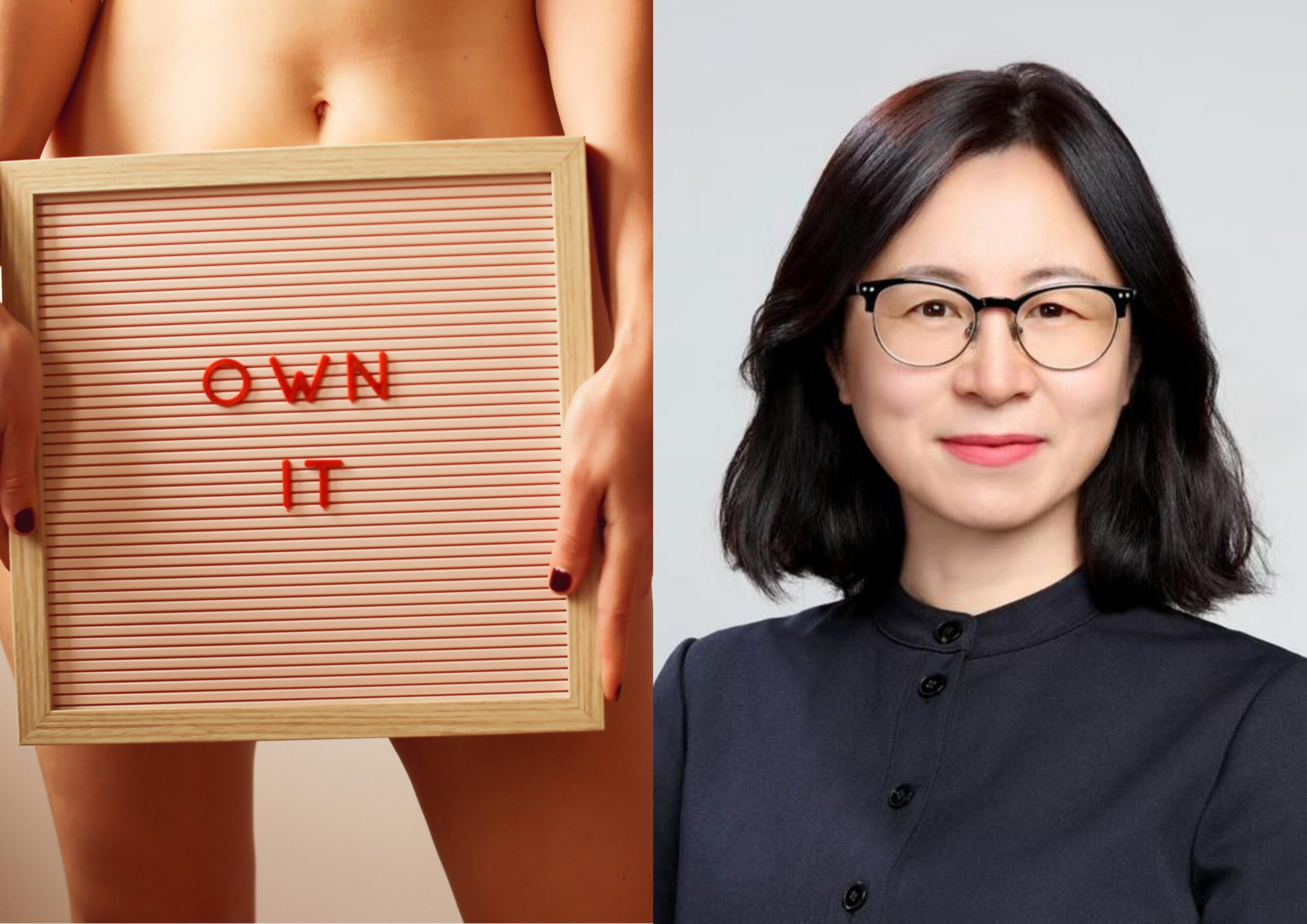
For those of us who live on social media, particularly X (Twitter), you may have seen posts about Hongmei Wang, a Chinese biologist exploring ways to extend women’s fertility by reducing menstruation to once every three months. Many users on the platform have been weighing in on the development, with some suggesting it could mark a major scientific breakthrough—one they believe many women would welcome.
“I think you’re not understanding the importance of this… it’s not misogyny, quite the opposite,” one user tweeted. “It’s about allowing women who want to be mothers not to have to sacrifice their youth for that and to be able to do so as adults (if that’s what they desire).”
Creo que no están entendiendo la importancia de esto… no es misoginia, al contrario. Es permitir q las mujeres q quieren ser madres no tengan q sacrificar su juventud en pos de eso y puedan serlo más adultas (si es q eso es lo q desean) https://t.co/8zkyFe0ESW
— Bruma de anhelo palpitante (@remastered_sol_) May 1, 2026
While not everyone is gung ho about having children, there are many female users who have expressed approval for Wang’s work in trying to get menstruation down to three times a year versus every month.
“If they achieve it, I’ll love them for life,” one user wrote.
Science outlets first highlighted Wang’s research earlier this year. Based at Beijing’s State Key Laboratory of Stem Cell and Reproductive Biology, she studies early human development—an area gaining urgency as China faces a deepening demographic crisis.
Like many Western nations, China is grappling with aging populations and declining birth rates, straining healthcare systems and shrinking the workforce. Despite government efforts to boost births, many residents remain reluctant to have more children, and the country’s population has continued to decline.
RELATED: Spirit May Be Grounded, But JetBlue and Frontier Airlines Are Still Going Strong
Wang’s lab—once known as the Family Planning Laboratory during China’s one-child policy—now focuses on human reproduction and embryonic development, with the goal of extending fertility.
One avenue under study is delaying menopause. Early research in mice suggests it may be possible, but Wang cautions it comes with trade-offs. Suppressing ovulation could help preserve eggs, she notes, but it may also reduce estrogen levels—an essential hormone for overall health.
Even delaying menopause by a year could have major social impact, Wang says. Her team has already made progress in extending fertility: in one study, injecting human stem cells into sterile monkeys led to the birth of a healthy offspring.
In a small clinical trial involving 63 women with premature ovarian failure, stem cell transplants enabled four to have healthy children. The team has since patented the method and licensed it commercially. Wang is also exploring whether reducing menstruation to once every three months could help preserve eggs and extend fertility—an idea still being tested in mice.
Wang notes that major gaps remain in understanding early embryonic development, largely due to technical and legal limits. Around two weeks after fertilization, embryos enter gastrulation—a critical stage when cells begin forming the body’s structure—but scientists still don’t fully understand how cells determine their roles.
Research is restricted because most countries prohibit studying human embryos beyond 14 days, making this phase difficult to observe. However, Wang says regulations in China and elsewhere may soon extend that limit, allowing deeper study into why many fertilizations fail.
To work around these barriers, Wang collaborates with researchers to create embryo-like models using stem cells, enabling study without legal constraints. Her team aims to replicate key components like the ovary, embryo, and placenta—an often overlooked but vital organ.
Still, Wang acknowledges the research is in early stages and may not quickly address China’s demographic challenges. She also notes a broader question: just because extending fertility may be scientifically possible doesn’t mean society will necessarily embrace it.
Still in its early research phase, Wang’s work has sparked widespread debate on social media while also offering some women renewed hope for their reproductive futures.
RELATED: Rain and Snowfall Videos In Iran Trigger ‘US Weather Control’ Conspiracy Claims
