

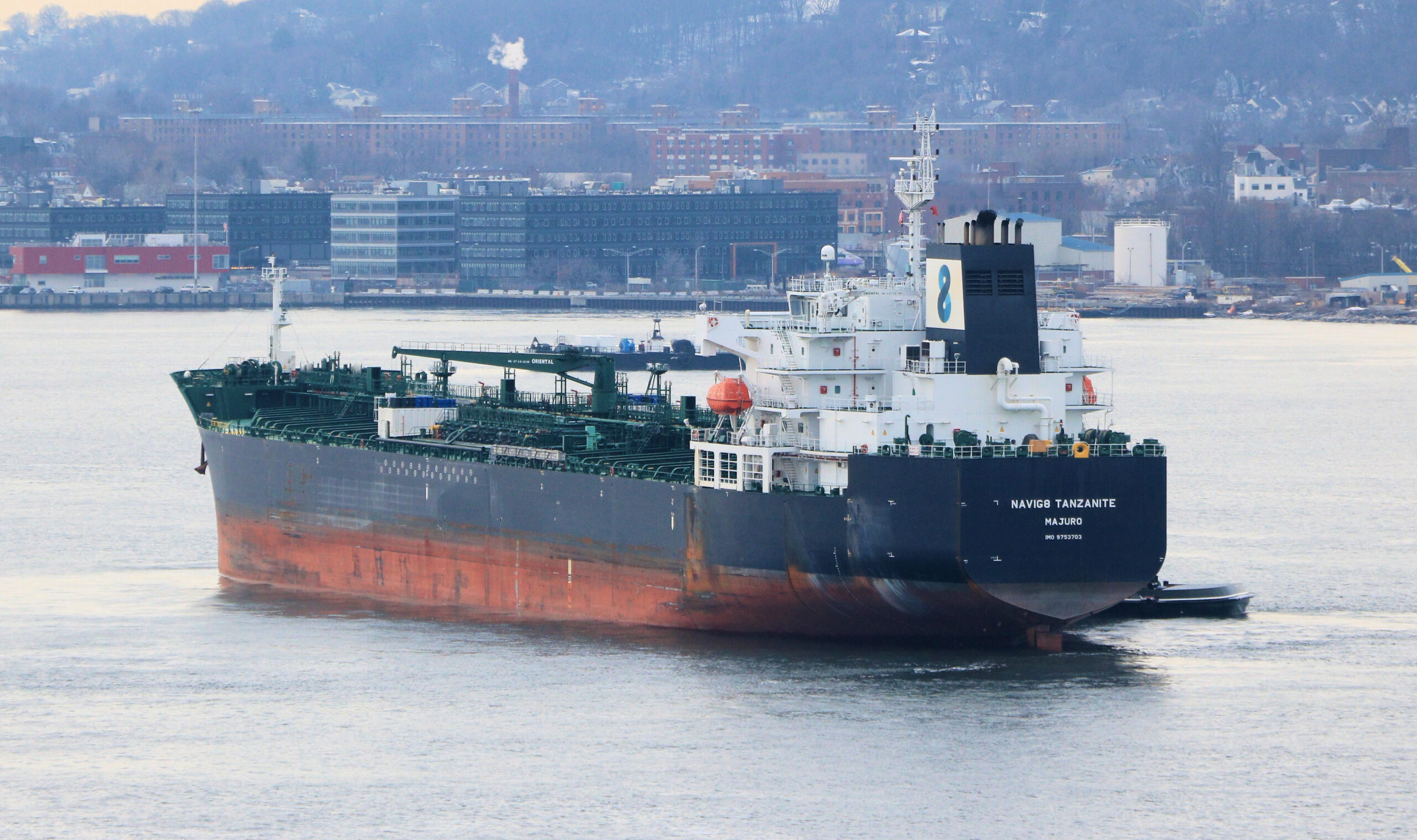
Drivers across Southern California are growing increasingly uneasy after the final Middle East oil tanker reportedly docked in Long Beach on May 3, raising concerns about added pressure on the region’s fuel supply chain. According to the Los Angeles Times, it marks the last shipment from the Strait of Hormuz expected to reach California.
Once that tanker departs, Southern California could go weeks—or even months—without another oil shipment arriving from the Middle East.
“The war in Iran and the closing of the Strait of Hormuz has actually been buffered by the fact that all of these tankers were at sea at the time that the Strait of Hormuz closed,” said UCLA Professor Michael Ross. “So all of that supply has still been making its way to consumers. This is the last shipment of that supply that was keeping prices relatively stable. So that should worry us.”
With the key shipping route disrupted by the war in Iran, refineries are scrambling to secure new oil sources as gas prices soar past $6 a gallon in parts of California. AAA reports the statewide average is now over $6, and experts warn prices could climb even higher in the weeks ahead as supply concerns continue to grow.
Siva Gunda told lawmakers that California currently has enough fuel supply to meet demand for the next six weeks. Still, with the state importing roughly a third of its oil from the Gulf region, officials are now searching for alternative sources as supply concerns grow.
New economic data suggests rising gas prices are hitting lower-income Americans the hardest. According to a report from the Federal Reserve Bank of New York, many lower-income households cut back on driving after the Iran war began, but still ended up paying more at the pump as fuel costs continued climbing.
Skyrocketing gas prices have quickly become a major political issue in California, with Democratic leaders blaming Donald Trump’s war in Iran for the surge. California Gov. Gavin Newsom slammed Trump over rising fuel costs, arguing Americans nationwide are paying the price for the conflict.
Markets briefly rebounded on May 6, and oil prices dipped after Trump suggested the war could end if Iran agrees to a deal with Washington and the Strait of Hormuz reopens fully.
